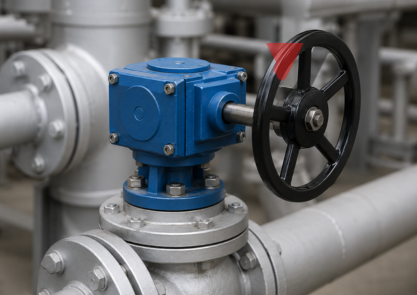
Let’s be honest. Gate valves are not light, easy-to-turn taps. When they are used in big pipelines, especially under pressure, operating them becomes serious work. That’s exactly why The Gate Valve Gearbox exists.
Without a gearbox, opening or closing a large gate valve would take too much effort and would also be unsafe. This blog explains everything in simple English. No heavy theory. Just clear ideas, real examples, and straight talk.
So let’s get into it.
What is The Gate Valve Gearbox?
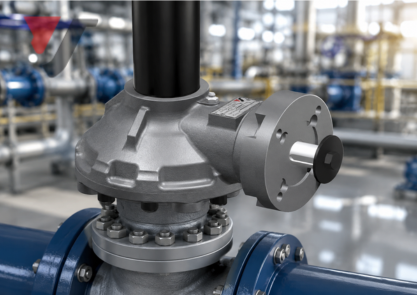
In simple terms, The Gate Valve Gearbox is a mechanical device that helps operate gate valves smoothly. It reduces the force needed by the operator and gives better control over valve movement.
Let’s be real. Large gate valves face a lot of resistance because of pressure inside the pipeline.
The gearbox helps by:
- Increasing torque
- Reducing manual effort
- Allowing slow and controlled operation
- Protecting the valve from damage
That’s why Gate Valve Gearbox is commonly used in industrial pipelines.
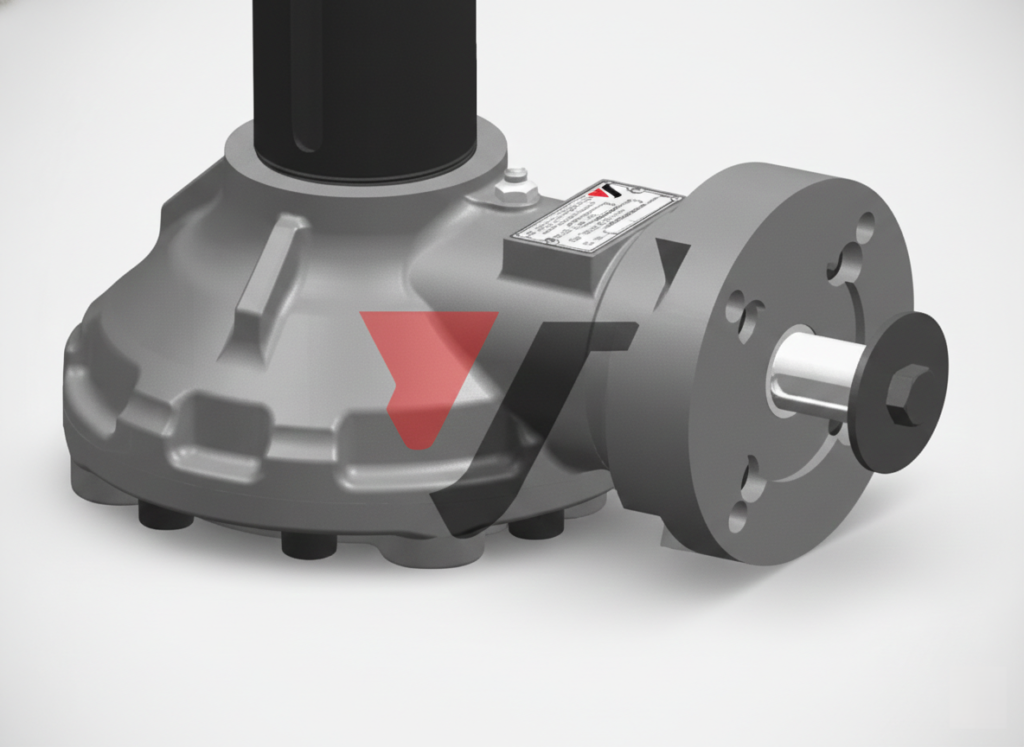
Why Gate Valves Need a Gearbox
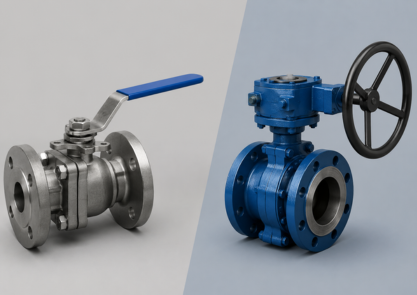
Gate valves work by lifting or lowering a gate to control flow. Under pressure, that gate doesn’t move easily.
Using The Gate Valve Gearbox helps because it:
- Handles high torque requirements
- Prevents sudden valve movement
- Improves operator safety
- Ensures proper valve seating
Frankly speaking, once the valve size increases, a gearbox becomes necessary.
Working Principle of The Gate Valve Gearbox
Don’t worry. This is very easy to understand.
When the operator turns the handwheel, Gate Valve Gearbox uses internal gears to multiply torque. This increased torque is transferred to the valve stem, which slowly lifts or lowers the gate.
In simple words:
- Small effort at input
- High torque at output
- Smooth valve movement
That controlled motion is the real strength of The Gate Valve Gearbox.
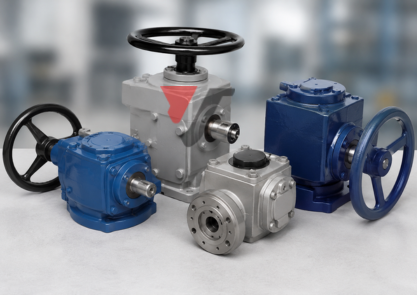
Types of Gate Valve Gearboxes
Different applications need different gearbox designs. One type doesn’t fit all.
Worm Gear Gate Valve Gearbox
This is the most common type. It offers high torque and self-locking feature.
Used in:
- High-pressure pipelines
- Large-size gate valves
Bevel Gear Gate Valve Gearbox
This type allows faster operation and changes direction of motion.
Used where:
- Space is limited
- Quick operation is required
Spur Gear Gate Valve Gearbox
This is simpler in design and used for lower torque needs.
Each type of Gate Valve Gearbox is selected based on valve size, pressure, and operation frequency.
Applications of The Gate Valve Gearbox
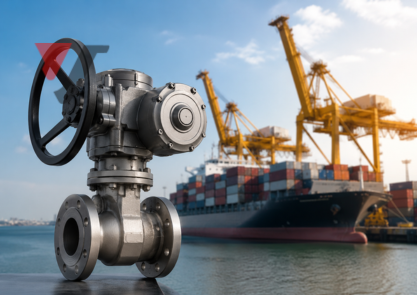
Honestly, gate valve gearboxes are used almost everywhere in heavy industries.
Common applications include:
- Water supply pipelines
- Oil and gas systems
- Power plants
- Chemical industries
- Fire protection systems
Wherever gate valves control flow, The Gate Valve Gearbox plays a key role.
Understanding Torque in Gate Valve Operation
Let’s be honest. Torque sounds complicated, but it’s not.
Torque is simply the force required to turn the valve stem. Larger valves and higher pressure mean higher torque.
The Gate Valve Gearbox helps manage this torque so the operator doesn’t struggle.
Basic Torque Calculation Guide (Simple Explanation)
You don’t need complex formulas here. Just understand the logic.
Torque depends on:
- Valve size
- Internal pressure
- Stem friction
- Valve design
Manufacturers usually provide required torque values. Based on that, Gate Valve Gearbox is selected with proper safety margin.
Frankly speaking, choosing the right gearbox torque rating is more important than exact calculation.
Benefits of Using The Gate Valve Gearbox
Let’s be real. Industries use it because it works.
Main benefits include:
- Easy valve operation
- Better control over flow
- Reduced operator fatigue
- Longer valve life
- Improved safety
In fact, smooth operation also reduces wear on valve components.
How to Choose the Right Gate Valve Gearbox
This step matters a lot.
Before selecting The Gate Valve Gearbox, always check:
- Valve size and type
- Required operating torque
- Pipeline pressure
- Environmental conditions
- Manual or automated operation
Choosing the wrong gearbox can damage the valve or create safety risks.
Common Mistakes to Avoid
These mistakes happen more often than you think.
Avoid:
- Ignoring torque requirements
- Buying low-quality gearboxes
- Skipping lubrication
- Choosing based only on price
A poor-quality Gate Valve Gearbox can cause leaks, failures, and downtime.
Maintenance Tips for Long Life
The good news is maintenance is simple.
To keep The Gate Valve Gearbox working well:
- Lubricate regularly
- Inspect bolts and seals
- Operate the valve periodically
- Listen for unusual noise
Regular care keeps performance smooth and reliable.
Final Thoughts
So yeah, The Gate Valve Gearbox might not look impressive, but it does very important work behind the scenes. It makes heavy gate valves easy to operate, safer to handle, and more reliable in the long run.
Let’s be honest. In industrial pipelines, control and safety matter more than anything. And a good gate valve gearbox delivers both.
For smooth and controlled valve operation under pressure, Gate Valve Gearbox is essential in large pipeline systems.
FAQs
1. Why is The Gate Valve Gearbox used?
It reduces effort and provides controlled valve operation.
2. Is Gate Valve Gearbox required for all gate valves?
Mostly for medium to large size valves.
3. Can gate valve gearboxes handle high pressure?
Yes, they are designed for high-pressure applications.
4. Does torque decide gearbox selection?
Yes, torque requirement is the main factor.
5. Can Gate Valve Gearbox be automated?
Yes, it can be fitted with electric or pneumatic actuators.