Let’s be real for a moment.
Butterfly valves look simple from the outside, but their performance depends a lot on one thing – Butterfly Valve Gearbox Design.
In fact, many industrial failures happen not because of the valve, but because the gearbox design is poor. So today, let’s break this topic in a very easy and chill way. No heavy engineering language. No boring stuff. Just clean and clear information.
By the end of this blog, you will clearly understand why Butterfly Valve Gearbox Design matters so much in industrial applications.
What Is a Butterfly Valve Gearbox?
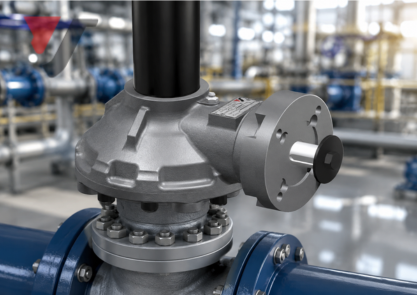
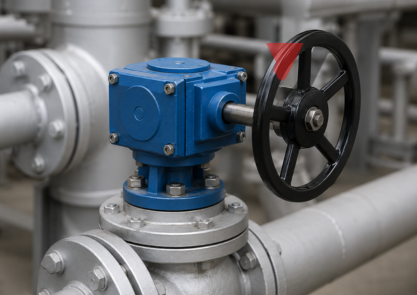
Before going deep, let’s keep it simple. A butterfly valve gearbox is a mechanical unit that helps you open and close the butterfly valve smoothly. It reduces manual effort and gives better control, especially in large-size valves.
Now here’s the honest truth —
Without a good Butterfly Valve Gearbox Design, even the best valve can fail.
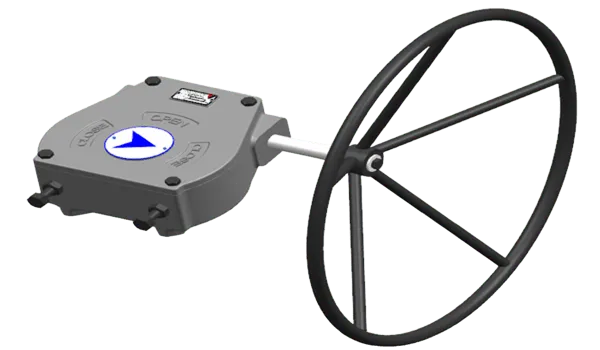
Why Butterfly Valve Gearbox Design Is So Important
Frankly speaking, industries don’t have time for valve failures. Every minute of downtime costs money.
A strong Butterfly Valve Gearbox ensures:
- Smooth valve operation
- Better torque control
- Longer valve life
- Safer handling
- Reduced maintenance
In other words, gearbox design directly affects efficiency and safety.
Key Components in Butterfly Valve Gearbox Design
Let’s talk about what actually goes inside the gearbox.
A proper Butterfly Valve Gearbox includes:
- Gear housing
It protects internal parts from dust, heat, and moisture. - Worm and worm wheel
These reduce torque and allow easy operation. - Input shaft
It connects the handwheel or actuator. - Output shaft
It transfers motion to the valve stem. - Bearings and seals
They reduce friction and prevent leakage.
Each part plays a role. Skip quality here, and problems will follow.
Types of Butterfly Valve Gearbox Design Used in Industries
Not all industries use the same design. Let’s be honest — requirements change.
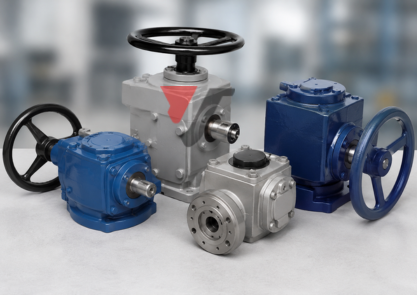
Common Butterfly Valve Gearbox Design types include:
- Manual gearbox design
Best for medium-size valves and low operation frequency. - Worm gear design
Most popular in industrial setups due to smooth torque control. - Bevel gear design
Used where space is limited or angular movement is needed. - Actuator-mounted gearbox design
Used in automation and remote operations.
Choosing the wrong design can reduce performance badly.
Industrial Applications Where Gearbox Design Matters Most
Now let’s connect theory with real life.
A reliable Butterfly Valve Gearbox Design is critical in:
- Water treatment plants
- Oil and gas industries
- Power plants
- Chemical processing units
- HVAC systems
- Cement and steel industries
By the way, in high-pressure lines, gearbox failure is not an option. Safety always comes first.
Materials Used in Butterfly Valve Gearbox Design
Material selection is not random. It decides durability.
Most industrial Butterfly Valve Gearbox uses:
- Cast iron for general applications
- Ductile iron for high strength
- Stainless steel for corrosive environments
- Aluminum bronze for marine use
In short, material choice depends on pressure, temperature, and environment.
Common Problems Caused by Poor Gearbox Design
Let’s be honest again. Bad design creates big headaches.
Poor Butterfly Valve Gearbox can lead to:
- High operating torque
- Gear jamming
- Uneven valve movement
- Oil leakage
- Short service life
And yes, all this increases maintenance cost.
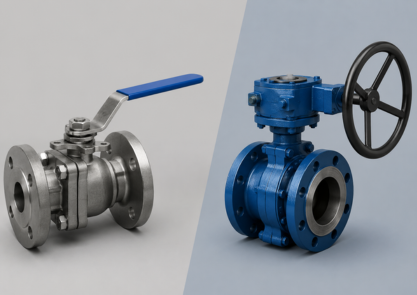
Butterfly valves are widely used quarter-turn flow control devices in industrial piping systems.
How to Choose the Right Butterfly Valve Gearbox Design
Here’s where many people get confused. Don’t worry. Keep these points in mind.
When selecting Butterfly Valve Gearbox, always check:
- Valve size and torque requirement
- Operating pressure
- Frequency of operation
- Environmental conditions
- Manual or automated control
Simple logic – match the gearbox with real working conditions.
Future Trends in Butterfly Valve Gearbox Design
Industries are evolving, and so is design.
Modern Butterfly Valve Gearbox focuses on:
- Compact structure
- Lightweight materials
- Higher efficiency
- Smart actuator compatibility
- Low maintenance design
In fact, smart gearboxes are slowly becoming the new normal.
Final Thoughts
Let’s wrap this up. A strong Butterfly Valve Gearbox Design is not just an accessory. It is the backbone of smooth valve operation. Whether it’s water, oil, gas, or chemicals, gearbox design decides reliability.
So next time you look at a Butterfly Valve Gearbox Design, remember this –
Good design saves time, money, and stress.
FAQs – Butterfly Valve Gearbox Design
1. What is the main purpose of Butterfly Valve Gearbox Design?
It reduces manual effort and ensures smooth and controlled valve operation.
2. Is gearbox required for all butterfly valves?
No, small valves may work without it, but large valves need a proper gearbox.
3. Which gearbox design is most commonly used?
Worm gear type is the most widely used in industries.
4. Can Butterfly Valve Gearbox Design affect valve life?
Yes, a good design increases valve life and reduces wear.
5. How often should a valve gearbox be maintained?
Regular inspection and lubrication once or twice a year is usually enough.