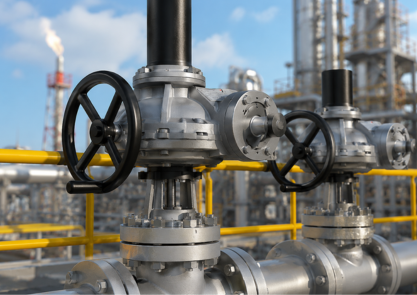
Ball valves are tough. And when they are used in oil, gas, or chemical plants, they become even tougher to operate. High pressure, thick fluids, extreme temperatures – everything adds resistance. That’s exactly why a High-Torque Ball Valve Gearbox for Oil applications is so important.
Without the right gearbox, operating a ball valve under these conditions would be unsafe, tiring, and honestly risky. This blog explains things in simple English, with real-world logic, not textbook language.
Let’s take it one step at a time.
What exactly do we mean by a High-Torque Ball Valve Gearbox?
To put it very simply, a ball valve gearbox is a device that rotates the ball inside the valve in a controlled and safe manner. The valve requires more torque to be turned when the pressure is high. That’s where torque matters.
A High-Torque Ball Valve Gearbox for Oil systems is specially designed to handle heavy load without jerks.
It helps by:
- Increasing turning force
- Reducing operator effort
- Controlling valve movement
- Protecting valve internals
Let’s be honest. Manually turning large ball valves in oil or chemical plants is not practical.
Why Oil, Gas & Chemical Industries Need High Torque
These industries don’t deal with normal conditions. They deal with extreme pressure, corrosive media, and continuous operation.
Using a High-Torque Ball Valve Gearbox for Oil pipelines helps because:
- Valves face strong internal pressure
- The media creates friction inside the valve
- Safety margins must be high
- Sudden movement is dangerous
Frankly speaking, when pressure increases, the torque requirement shoots up. A normal gearbox simply won’t survive.
How the High-Torque Ball Valve Gearbox Works
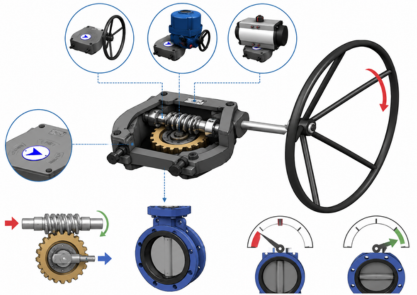
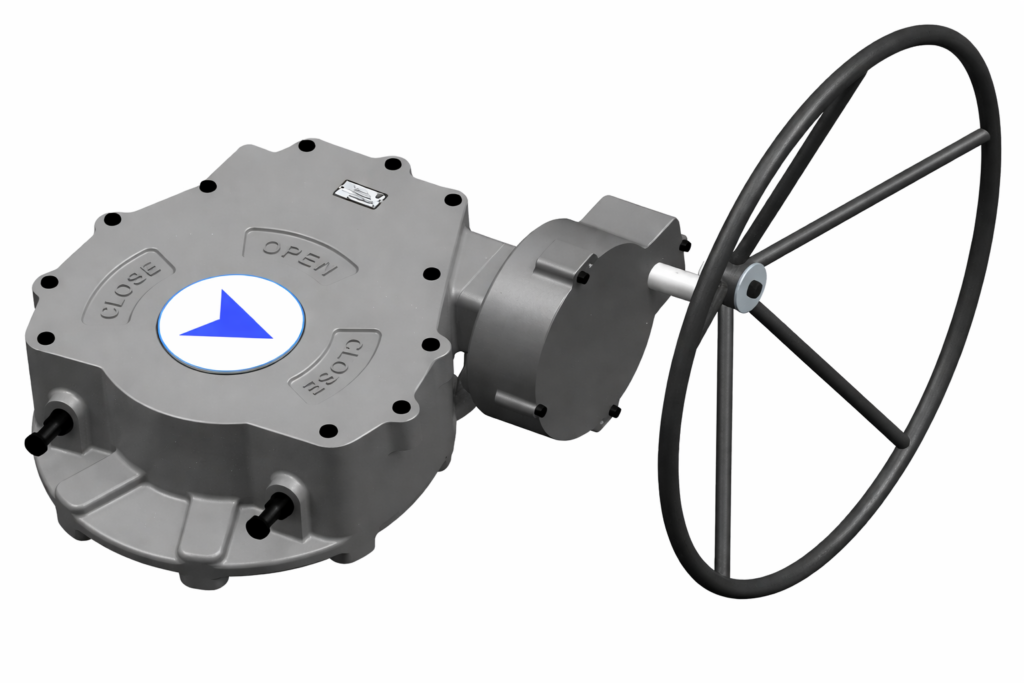
Let’s keep it easy. When an operator turns the handwheel or actuator, the gearbox multiplies that input force using internal gears. This multiplied torque rotates the ball smoothly by 90 degrees.
In real terms:
- Small input effort
- Big output torque
- Smooth quarter-turn operation
That controlled rotation is the main job of a High-Torque Ball Valve Gearbox for Oil systems.
Types of Ball Valve Gearboxes Used in Heavy Industries
Different working conditions need different gearbox designs.
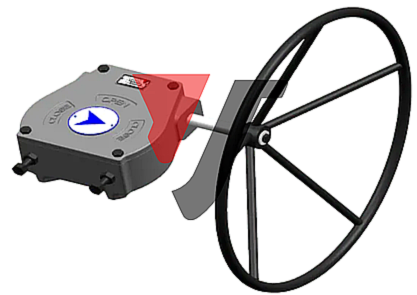
Worm Gear Ball Valve Gearbox
This is the most commonly used type in oil and gas.
Why?
- High torque output
- Self-locking feature
- Stable operation under pressure
Bevel Gear Ball Valve Gearbox
Used where faster operation is required.
Good for:
- Medium torque needs
- Space-limited installations
Each High-Torque Ball Valve Gearbox for Oil use is selected based on pressure, valve size, and operating frequency.
Applications in Oil, Gas & Chemical Industries
Honestly, you’ll find these gearboxes almost everywhere.
Common applications include:
- Crude oil pipelines
- Natural gas transmission
- Refinery process lines
- Chemical transfer systems
- Offshore platforms
- Storage tank isolation
In all these areas, a High-Torque Ball Valve Gearbox for Oil ensures safe and controlled flow.
Benefits That Actually Matter on Site
Let’s be honest. Industries care about performance, not fancy features.
Using a High-Torque Ball Valve Gearbox for Oil gives:
- Smooth valve operation
- Reduced operator fatigue
- Better control during opening and closing
- Longer valve life
- Improved safety
By the way, smoother operation also reduces the chances of seal damage.
Materials Used in High-Torque Ball Valve Gearboxes
Harsh environments need strong materials.
Most gearboxes used for oil and chemical services are made from:
- Ductile iron for strength
- Cast steel for heavy loads
- Stainless steel for corrosion resistance
- Alloy steel gears for durability
Material quality directly affects how long the High-Torque Ball Valve Gearbox for Oil lasts.
Torque Requirement Explained Simply
Torque is just the force needed to turn the valve.
Torque depends on:
- Valve size
- Line pressure
- Type of media
- Seal friction
Manufacturers calculate this torque and then select a gearbox with an extra safety margin. Let’s be honest, undersized torque is one of the biggest mistakes.
How to Choose the Right High-Torque Ball Valve Gearbox
This step is critical.
Before selecting a High-Torque Ball Valve Gearbox for Oil, always check:
- Maximum operating pressure
- Valve size and type
- Required torque value
- Environment (corrosive or not)
- Manual or actuator operation
Frankly speaking, a wrong gearbox can damage the valve and create safety risks.
Common Mistakes to Avoid
These mistakes cost time and money.
Avoid:
- Guessing torque values
- Buying low-grade gearboxes
- Ignoring corrosion protection
- Choosing only based on price
A poor-quality High-Torque Ball Valve Gearbox for Oil can fail when you need it most. For detailed technical information related to High-Torque Ball Valve Gearbox for Oil applications and ball valve operation, you can refer to the comprehensive explanation available on Wikipedia.
Maintenance Tips for Long-Term Performance
Good news. Maintenance is not complicated.
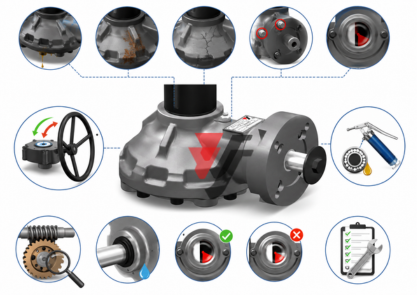
To keep the gearbox healthy:
- Lubricate gears regularly
- Check seals and bolts
- Operate valves periodically
- Watch for unusual noise
Simple care goes a long way.
Why This Gearbox is a Long-Term Investment
Let’s be real. In oil, gas, and chemical plants, safety equals savings.
Using a High-Torque Ball Valve Gearbox for Oil helps:
- Prevent accidents
- Reduce downtime
- Improve system reliability
- Lower maintenance cost
That’s why industries treat it as protection, not an expense.
Final Thoughts
And indeed, High-Torque Ball Valve Gearbox for oil may seem to be a minor part; nevertheless, it is a vital component controlling the flow securely in tough industrial surroundings. It handles pressure, protects valves, and keeps operations smooth.
Let’s be honest. When pressure is high and risk is real, only strong and reliable gearboxes earn trust.
FAQs
1. Why is a high-torque gearbox needed for ball valves?
Because high pressure increases the turning force requirement.
2. Is this gearbox suitable for chemical industries?
Yes, especially with corrosion-resistant materials.
3. Can the gearbox be automated?
Yes, it can be fitted with electric or pneumatic actuators.
4. Does valve size affect torque requirement?
Yes, larger valves need higher torque.
5. How often should maintenance be done?
Basic inspection and lubrication should be done periodically.