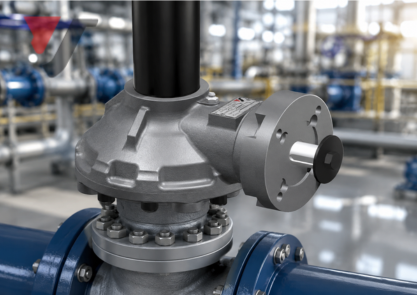
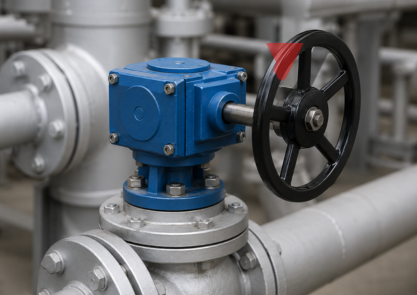
A valve gearbox is a mechanical torque-multiplying unit that connects an actuator or handwheel to a valve stem. Its job is simple – take the input force, increase it through a gear arrangement, and deliver enough output torque to open or close a valve cleanly. Without it, operating large industrial valves would demand far more physical force than any operator can safely apply.
A maintenance crew at a refinery in Gujarat was manually struggling with a 24-inch gate valve during a planned shutdown. The handwheel spun, but the valve barely moved. Once they fitted a worm-type valve gearbox, the same valve opened in under two minutes. That one change eliminated both the delay and the risk of operator injury.
What Exactly Does a Valve Gearbox Do?
A valve gearbox transfers motion from the input side – whether that is a handwheel, electric actuator, or pneumatic driver – to the valve stem with multiplied torque. The gear ratio inside the unit decides how much extra force the output shaft delivers.
Most designs use a worm and wheel arrangement. The worm shaft turns many times for every single rotation of the output wheel. This is what creates the mechanical advantage. So a small handwheel movement results in controlled, powerful stem rotation – even on valves carrying high-pressure fluid or gas.
Some valve gearbox units also include travel stops and position indicators, which help operators confirm valve position at a glance without dismantling anything.
What Are the Different Types of Valve Gearbox Available?
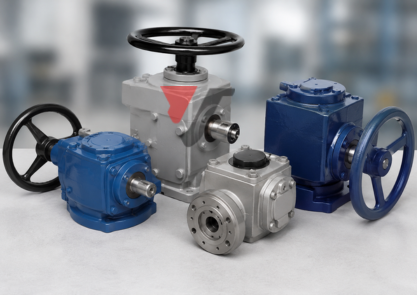
The right valve gearbox type depends on your valve design, available space, and how much torque you need. Each type has a specific strength.
| Valve Gearbox Type | Typical Application | Self-Locking | Torque Output |
| Worm Gear | Ball valves, gate valves | Yes | High |
| Bevel Gear | Right-angle drive setups | No | Medium |
| Spur Gear | Light-duty linear valves | No | Low–Medium |
| Helical Gear | Smooth, high-cycle operation | No | Medium–High |
Worm gear valve gearbox units dominate industrial use because they are compact, self-locking, and handle high torque well. Bevel multi turn gear types suit setups where the actuator sits at a 90-degree angle to the valve stem. Spur gear options are lighter and work on smaller, lower-pressure valves.
Which Industries Use a Valve Gearbox Most?
The valve gearbox is a standard component across any industry that moves fluids or gases through pipelines. Some sectors rely on it more than others.
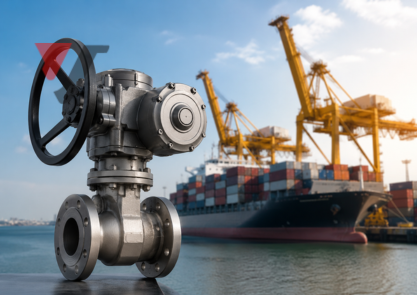
- Oil and gas pipelines – A valve gearbox handles large ball valves and gate valves on both upstream and downstream lines where manual operation is simply not practical
- Water treatment plants – Large butterfly valves on pump headers and distribution mains almost always carry a valve gearbox for reliable daily operation
- Chemical processing – Where corrosive media demands stainless steel or coated internals, a specially built valve gearbox protects both the operator and the process
- Power generation – Steam isolation and cooling water valves run under extreme pressure; a valve gearbox absorbs that load and keeps control smooth
- Fire protection systems – Automated valve gearbox units tied to detection systems allow fast, remote response without anyone physically reaching the valve
Each of these applications shares one common requirement – consistent, repeatable valve control with minimum effort.
What Are the Real Advantages of Fitting a Valve Gearbox?
Beyond just reducing effort, a valve gearbox brings operational and safety improvements that matter day to day on a plant.
Operators do not tire out cycling valves repeatedly during a shift. The gear arrangement absorbs pressure surges that would otherwise snap a valve stem or strip handwheel threads. Position indicators built into the valve gearbox remove guesswork about whether a valve is open or shut.
When you connect a motor to the valve gearbox input shaft, the entire valve becomes remotely operable. This is especially valuable in hazardous zones where human access is restricted or time-critical.
Long-term, the mechanical cushioning a valve gearbox provides extends the life of both the valve and the actuator – reducing replacement costs noticeably over a five to ten year period.
How Do You Choose the Correct Valve Gearbox for Your System?
Start with the valve’s required breakaway torque – that is the highest force needed to unseat the valve from closed position under full operating pressure. Your valve gearbox must comfortably exceed this figure.
After that, check these points before ordering:
- Match the mounting flange to your valve’s ISO 5211 or DIN interface
- Choose a gear ratio that gives enough torque without making operation too slow
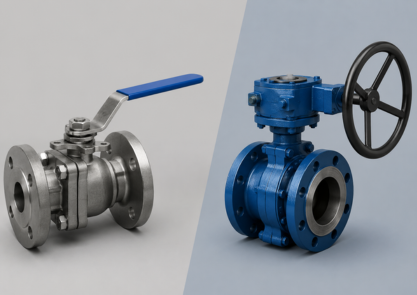
- Pick the right body material – cast iron for standard service, stainless steel for aggressive environments
- Confirm the IP rating; outdoor or buried installations need at least IP67 protection on the valve gearbox housing
- If you plan to motorize later, select a valve gearbox with a compatible actuator mounting pad already built in
Suppliers like Jayveer India stock a practical range of valve gearbox units covering worm, bevel, and spur gear types – useful for buyers across Indian refineries, water utilities, and chemical plants who need quick availability with local technical support.
How Should You Maintain a Valve Gearbox Properly?
A valve gearbox that gets regular attention lasts 15 to 20 years without major repair. One that gets ignored tends to seize, corrode, or strip its gears well before that.
Grease is the most critical factor. The internal gear teeth need fresh, compatible grease at least once a year – or more often in high-cycle or high-temperature service. Old, dry grease causes metal-to-metal wear that no external inspection will catch until it is already a problem.
Beyond lubrication, check the valve gearbox housing seals every six months. A failed seal lets moisture in, and moisture leads to internal corrosion quickly. Exercise every valve gearbox through full travel periodically, even on valves that rarely move – static units seize faster than working ones.
Keep a simple log of each inspection. It tells you what normal looks like, and that makes abnormal much easier to catch early.
Frequently Asked Questions (FAQ)
Q1. What is a valve gearbox used for?
It multiplies the input torque from a handwheel or actuator to operate large or high-pressure valves with controlled force and minimal effort.
Q2. Which valve types need a valve gearbox?
Ball valves, gate valves, butterfly valves, and plug valves in larger pipe sizes typically require one, especially above DN150 diameter.
Q3. Can a valve gearbox work with an electric actuator?
Yes. Most worm gear valve gearbox units accept electric, pneumatic, or hydraulic actuator mounting directly on the input shaft.
Q4. How often does a valve gearbox need servicing?
Annual lubrication and a six-monthly visual inspection cover most industrial applications. High-cycle or outdoor installations need more frequent checks.
Q5. Where can I source a valve gearbox in India?
Jayveer India supplies industrial valve gearbox units suitable for oil, gas, water, and chemical sector applications with local delivery and support.