When choosing between lever vs gear operated valves, the decision comes down to valve size, operating pressure, and how often the valve cycles. Lever handles work well for small, low-pressure valves used infrequently. Gear operators become necessary when the torque required to turn a valve exceeds what a person can apply safely with a lever.
A procurement engineer at a water treatment plant in Pune once ordered lever-operated butterfly valves for a 10-inch line. Six months later, three operators had wrist injuries trying to open the valves against system pressure. Replacing them with gear-operated units solved the problem completely – and the replacement cost was three times the original price difference.
What Is the Core Difference in Lever vs Gear Operated Valves?
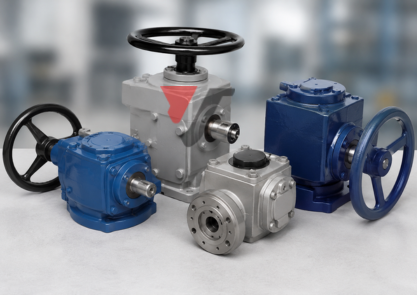
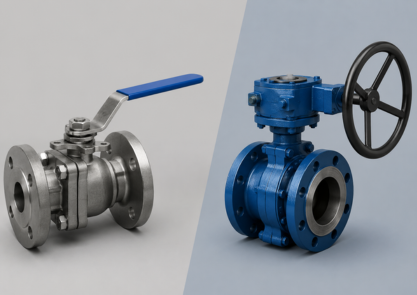
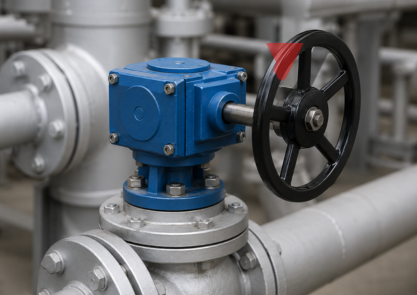
In lever vs gear operated valves, the lever attaches directly to the valve stem and turns it with raw manual force. The gear operator sits between the handwheel and the stem, multiplying torque through a worm or bevel gear arrangement before it reaches the valve.
A lever gives you speed – one quarter-turn and the valve is open or shut. A gear operator gives you control and mechanical advantage. You trade quick action for the ability to handle much higher torque without strain or injury.
This fundamental difference defines every application decision between lever vs gear operated valves.
When Should You Choose a Lever Operated Valve?
Lever operated valves suit applications where pipe sizes are small, pressures are low, and the valve does not need precise throttling. They are fast, cheap, and require zero maintenance beyond the valve itself.
Use a lever operated valve when:
- Pipe diameter is DN50 (2 inch) or below
- Operating pressure stays under 10 bar
- The valve opens or closes fully – no partial positioning needed
- Access is easy and the operator is physically close to the valve
- Quick shutoff matters more than controlled operation
In lever vs gear operated valves comparisons, lever types win on cost and speed for small-bore utility lines, compressed air systems, and low-pressure water circuits. They are the practical default for anything where manual torque is not a problem.
When Do You Actually Need a Gear Operated Valve?
Gear operated valves become necessary when the valve size, pressure rating, or operating frequency makes lever operation impractical or unsafe. The gearbox reduces the handwheel effort dramatically.
Shift to a gear operator when:
- Pipe diameter crosses DN100 (4 inch) for ball or plug valves
- Butterfly valves go above DN150 (6 inch) in water or slurry service
- Line pressure exceeds 16 bar and the valve needs frequent cycling
- The valve sits in a position where a lever would foul on pipework or structure
- Remote or automated operation is planned – gear operators accept actuator mounting
When comparing lever vs gear operated valves for high-pressure oil and gas lines, refineries, or large water mains, the gear operated type is almost always the correct choice. The torque requirement alone rules out the lever.
How Do Lever vs Gear Operated Valves Compare Side by Side?
Here is a direct comparison between lever vs gear operated valves across the factors that matter most in industrial selection:
| Factor | Lever Operated Valve | Gear Operated Valve |
| Valve Size | Up to DN50 typically | DN80 and above |
| Operating Effort | Direct manual force | Reduced via gear ratio |
| Speed of Operation | Fast – one quarter turn | Slower – multiple handwheel turns |
| Torque Handling | Low | High |
| Cost | Lower | Higher |
| Actuator Ready | No | Yes |
| Self-Locking | No | Yes (worm gear type) |
| Maintenance Need | Minimal | Annual lubrication |
| Best Application | Utility lines, low pressure | Process plants, pipelines |
This table makes the lever vs gear operated valves choice clear for most standard applications. Where the numbers overlap – say DN80 at moderate pressure – operating frequency and future automation plans should make the final call.
What Happens If You Pick the Wrong Type?
Choosing a lever where a gear operator was needed creates real operational and safety problems. The lever vs gear operated valves decision is not just about convenience – it directly affects plant safety and valve service life.
A lever fitted to an oversized valve forces the operator to apply body weight to turn it. This strips threads on the valve stem, bends lever handles, and causes repetitive strain injuries over time. The valve also ends up partially operated – not fully open or shut – because the operator stops short of full travel.
On the flip side, fitting a gear operator where a lever would do adds cost and slows down response time in emergency shutoff situations. Getting the lever vs gear operated valves selection right from the start saves money, reduces maintenance, and protects your team.
How Do You Make the Final Selection Between Lever vs Gear Operated Valves?
The final choice between lever vs gear operated valves follows from three numbers: valve size, operating pressure, and cycle frequency. Run through these steps before ordering.
First, calculate the valve’s breakaway torque at maximum operating pressure. Most valve manufacturers publish this figure. If the torque exceeds 120 Nm, a lever operator is no longer practical for daily use.
Second, check the pipe diameter against industry norms. For ball valves above DN80 and butterfly valves above DN150, a gear operator is standard practice across Indian process industries.
Third, consider the future. If automation is likely – even two or three years out – choose a gear operated valve with an actuator-ready mounting pad. Retrofitting later costs significantly more than specifying it correctly upfront.
Suppliers like Jayveer India carry both lever and gear operated valve configurations across multiple pressure classes, making it straightforward to compare options and select the right type for your specific line conditions.
Frequently Asked Questions (FAQ)
Q1. What is the main difference between lever vs gear operated valves?
A lever turns the valve stem directly with manual force, while a gear operator multiplies that force through a gear arrangement to handle larger, higher-pressure valves.
Q2. At what pipe size should I switch from lever to gear operated?
For ball and plug valves, shift to gear operation at DN80 and above. For butterfly valves, DN150 is the common crossover point.
Q3. Can a gear operated valve be automated later?
Yes. Most worm gear operators have a standard actuator mounting pad that accepts electric, pneumatic, or hydraulic actuators without modifying the valve body.
Q4. Are lever vs gear operated valves different in maintenance needs?
Lever operated valves need almost no maintenance. Gear operated valves need annual lubrication and periodic seal inspection to stay reliable.
Q5. Where can I source lever and gear operated valves in India?
Jayveer India supplies both types across industrial pressure ratings, with options suited to oil, gas, water, and chemical plant applications.