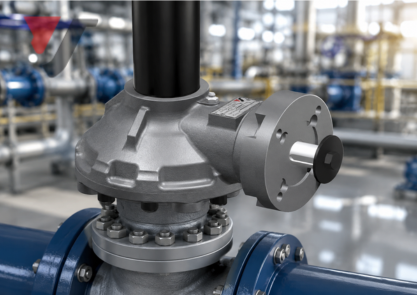
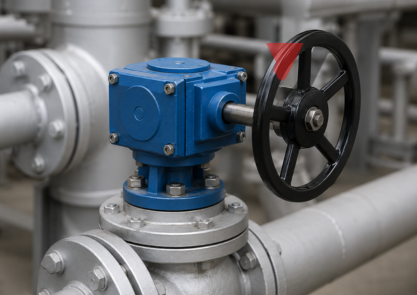
High-pressure pipelines are no joke. In a case of a minor malfunction in the system, the entire process might get disrupted due to the liquid or gas passing through at high pressure. Hence, all the components of these systems must be reliable, durable, and uniform in performance. Among them, one of the unnoticed and less talked about components is the Industrial Valve Gearbox.
It may not be stylish or appealing, but it is the control of big valves that would be dangerous, tiring, and even unfeasible without the assistance of the gearbox.
Let us, therefore, put the matter in a straightforward, blunt manner.
What is the Industrial Valve Gearbox Actually?
In the simplest words, the Industrial Valve Gearbox is a mechanical unit that helps operators open and close heavy valves with control and safety. It reduces manual effort and gives precise movement, especially when the pressure inside the pipeline is very high.
Let’s be real. Turning a large valve directly, under pressure, is not practical.
That’s why this gearbox exists. It:
- Reduces operating force
- Controls torque smoothly
- Prevents sudden valve movement
- Protects both the valve and the operator
Without the Industrial Valve Gearbox, valve handling would be risky and inefficient.
Why High-Pressure Pipelines Depend on Valve Gearboxes
High-pressure pipelines don’t forgive mistakes. Internal pressure pushes hard against valve surfaces. This creates resistance that human strength alone cannot manage safely.
Using the Industrial Valve Gearbox helps because it:
- Converts small input force into high output torque
- Allows slow and controlled valve operation
- Avoids shock load on pipelines
- Improves overall system safety
Frankly speaking, once pressure crosses a certain limit, a valve gearbox becomes a necessity, not a choice.
How The Industrial Valve Gearbox Actually Works
No technical headache here. When the operator turns the handwheel or actuator, the Industrial Valve Gearbox uses internal gears to multiply torque. This amplified force moves the valve stem gradually, without jerks.
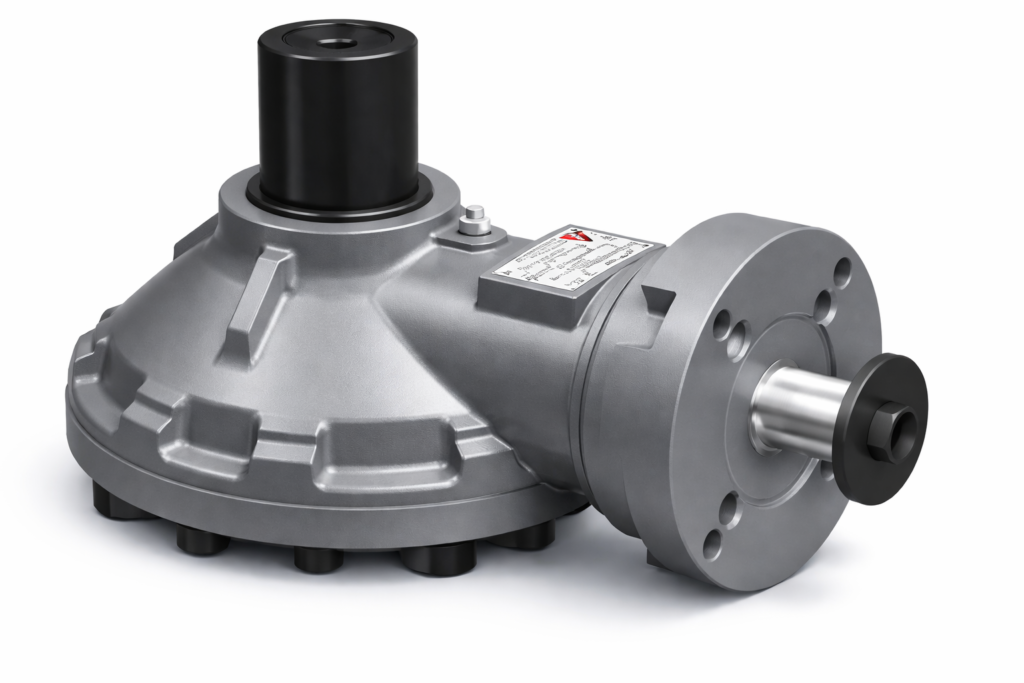
What this means in real life:
- Operator effort stays low
- Valve movement stays controlled
- Pressure changes remain stable
That smooth control is the real strength of The Industrial Valve Gearbox.
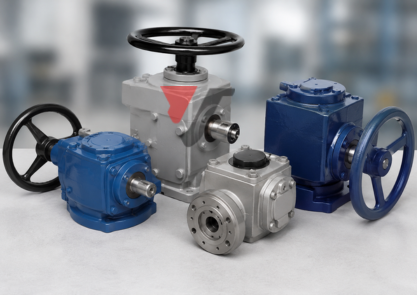
Common Types of Industrial Valve Gearboxes
Different pipelines need different solutions. That’s why valve gearboxes come in multiple designs.
Some commonly used types are:
Worm Gear Gearbox
Ideal for high torque and self-locking applications
Bevel Gear Gearbox
Used where faster operation and angle change are needed
Spur Gear Gearbox
Suitable for simple torque transmission
Each type of The Industrial Valve Gearbox is selected based on valve size, operating pressure, and frequency of use.
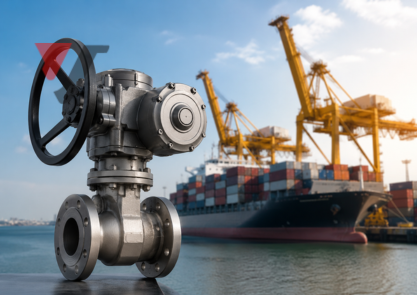
Where The Industrial Valve Gearbox is Used
Honestly, if pressure is involved, you’ll probably find a valve gearbox nearby.
Common industries include:
- Oil and gas pipelines
- Water supply and treatment plants
- Chemical processing units
- Thermal and nuclear power plants
- Refineries
- Fire protection networks
In all these systems, the Industrial Valve Gearbox ensures safe and reliable valve control.
Real Benefits That Actually Matter
Let’s be honest. Industries don’t buy equipment just because it looks good.
They use the Industrial Valve Gearbox because it delivers:
- Safer valve operation
- Reduced operator fatigue
- Accurate valve positioning
- Longer valve and seal life
- Better control under extreme pressure
By the way, controlled operation also means fewer breakdowns and less downtime.
Materials Used in Industrial Valve Gearboxes
High-pressure environments are harsh. So the gearbox must be tough.
Most of the Industrial Valve Gearbox units are manufactured using:
- Cast iron for strength
- Ductile iron for impact resistance
- Stainless steel for corrosion protection
- Alloy steel for heavy-duty performance
Material selection directly affects durability and reliability.
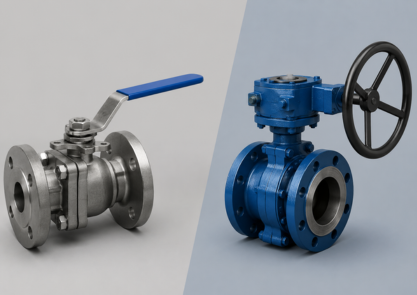
Choosing the Right Industrial Valve Gearbox
This is where experience matters.
Before selecting the Industrial Valve Gearbox, always consider:
- Valve size and type
- Required operating torque
- Maximum pipeline pressure
- Environmental conditions
- Manual or automated operation
Let’s be honest. A wrong gearbox can damage the valve, increase wear, or even cause leakage.
Common Mistakes People Make
These mistakes are more common than you think.
Avoid:
- Underestimating torque requirements
- Choosing low-grade materials
- Ignoring lubrication needs
- Buying based only on price
A poor-quality Industrial Valve Gearbox can lead to serious operational issues. For detailed technical information about industrial valve gearbox and valve gear mechanisms, you can refer to the comprehensive explanation available on Wikipedia.
Maintenance Made Simple
The good part? Maintenance is not complicated.
To keep the Industrial Valve Gearbox working smoothly:
- Lubricate at recommended intervals
- Inspect bolts and seals
- Listen for unusual noise
- Operate valves regularly
Regular care can easily extend gearbox life by years.
Why The Industrial Valve Gearbox is a Smart Investment
Let’s be real. In high-pressure systems, safety equals savings.
Using the Industrial Valve Gearbox helps industries:
- Improve system reliability
- Reduce risk of failure
- Lower long-term maintenance cost
- Ensure consistent performance
That’s why it’s seen as protection, not expense.
Final Thoughts
In the end, the Industrial Valve Gearbox might not be very attractive visually, but it is very important in very high-pressure pipeline systems. It is the factor that unites control, safety, and reliability, where failure is out of the question.
Let’s face it: Only reliable equipment gets trust when the pressure is at its maximum. And that is precisely the case of a properly engineered the industrial valve gearbox.
FAQs
1. What is the role of the Industrial Valve Gearbox in high-pressure pipelines?
It provides safe and controlled valve operation even in very high-pressure conditions.
2. Can the Industrial Valve Gearbox be used with automated systems?
Of course, automation is possible by pairing the gearbox with electric or pneumatic actuators.
3. Is the choice of gearbox type influenced by valve size?
Yes, valve size and torque requirement decide gearbox selection.
4. How often should maintenance be done?
Basic inspection and lubrication should be done periodically.
5. Is the Industrial Valve Gearbox customizable?
Yes, many manufacturers offer custom designs for specific needs.