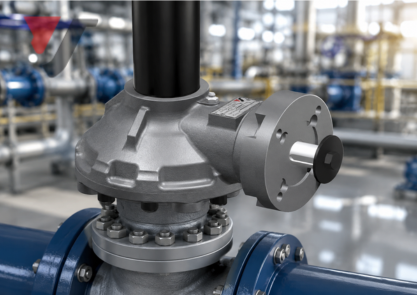
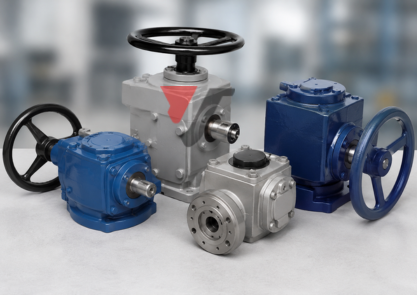
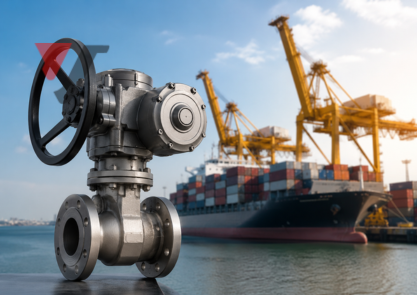
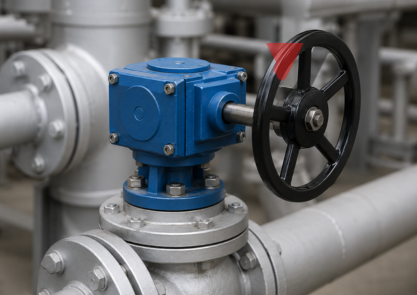
Let’s be honest, choosing the right valve gearbox is not something people get excited about. But in industries like chemical, water, and oil, this small-looking tool plays a very big role. A single wrong choice can lead to leakage, pressure problems, and even safety risks. That’s why selecting the right Valve Gearbox for Chemical and other industries must be done with care.
To be frank, many buyers focus only on price. But the right gearbox is not about cheap cost; it’s about safe control, long life, and smooth operation. Whether you are working in a chemical plant, a water treatment unit, or an oil refinery, the right gearbox helps you control heavy valves without stress.
Why Valve Gearboxes Are So Important in These Industries
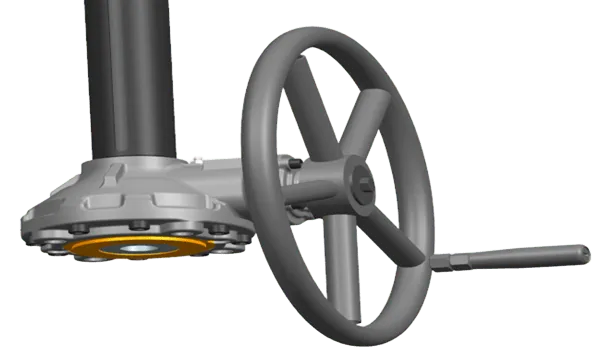
Be kind to this simple truth-chemical, water, and oil industries deal with pressure, heat, and dangerous fluids. You cannot afford weak or unreliable equipment here. A Valve Gearbox for Chemical operations helps control flow safely and smoothly.
Here’s why gearbox selection really matters:
- It allows easy operation of heavy valves
- It protects workers from sudden pressure release
- It increases the life of the valve
- It improves safety inside the plant
- It ensures smooth flow control
Jokes apart, a good gearbox is like silent security for your entire system.
Steps of Choosing the Right Valve Gearbox for Chemical
Step 1: Understand Your Industry Needs First
Let’s be honest, the same gearbox cannot suit chemical, water, and oil industries equally. Each industry works under different conditions. Before selecting a Valve Gearbox for Chemical use or for oil and water plants, you must understand where and how it will be used.
Ask yourself:
- What type of fluid will pass through the valve?
- Is the environment hot, wet, or corrosive?
- How often will the valve be operated?
- Is safety a major concern in this area?
To be frank, these answers guide your entire selection.
Also explore our Butterfly Valve Gearbox for reliable and efficient performance.
Step 2: Check Valve Type and Size
Different valves need different gearboxes. A Valve Gearbox for Chemical plants may be used on butterfly, gate, ball, or plug valves. Each valve type needs a specific torque level.
Important things to check:
- Valve diameter
- Valve design type
- Pressure rating
- Torque requirement
Be kind to your equipment—never install a gearbox with lower torque capacity than required.
Step 3: Know the Working Environment
Let’s be honest, location matters a lot. Chemical plants often have corrosive gases. Water plants deal with moisture all the time. Oil industries face extreme heat and pressure.
A good Valve Gearbox for Chemical, water, and oil use should be:
- Corrosion-resistant
- Dust and moisture protected
- Suitable for high temperatures (if required)
- Strong enough for outdoor installation
To be frank, a gearbox unsuitable for its environment will fail very quickly.
Step 4: Manual or Motorized – Choose Smartly
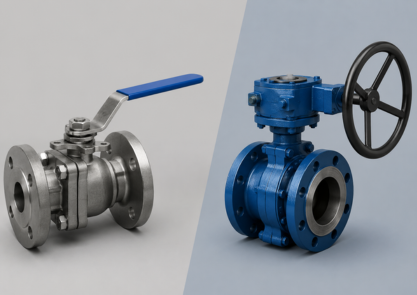
Jokes apart, not every valve needs a motor. Some valves are operated once a day, some many times an hour. You must choose between manual and motorized options.
- Manual gearbox – Cheaper and simple
- Motorized gearbox – Faster and remote-controlled
A Valve Gearbox for Chemical plants often needs motorized operation because of safety and frequent use. In water plants, manual and motorized both are common. Oil industries usually prefer motorized systems for remote control.
Step 5: Focus on Safety Features
Let’s be honest, safety is not optional in these industries. A good Valve Gearbox for Chemical and oil industries must have safety features to avoid sudden movement and overload.
Look for:
- Overload protection
- Smooth torque transmission
- Locking system
- Emergency manual override
- Strong outer casing
Be kind to your workers—safe equipment always reduces accident risk.
Step 6: Material of the Gearbox Matters
To be frank, the body material of the gearbox decides how long it will survive. In chemical industries especially, the wrong material can corrode within months.
Common materials used:
- Cast iron – Strong and economical
- Stainless steel – Best for corrosive environments
- Ductile iron – High strength and durability
- Aluminium – Light weight for special use
For a Valve Gearbox for Chemical plants, stainless steel or corrosion-resistant coating is often the best choice.
Also check out Knife Edge Gate Valve Gearbox solutions.
Step 7: Check Maintenance and Service Availability
Let’s be honest, even the best gearbox may need service one day. If spare parts and service are not easily available, your production can stop.
Always confirm:
- Local service support
- Easy availability of spare parts
- Warranty period
- Technical support
To be frank, a gearbox without service support becomes a headache later.
Common Mistakes Buyers Should Avoid
Jokes apart, many buyers make similar mistakes while choosing a Valve Gearbox for Chemical, water, and oil industries. Try to avoid these:
- Buying only based on low price
- Ignoring torque calculations
- Not checking environmental suitability
- Skipping safety features
- Avoiding future maintenance planning
Be kind to your investment—a wrong choice costs more in the long run.
Why Right Selection Improves Plant Performance
Let’s be honest, the right gearbox does much more than just turn a valve. A correctly selected Valve Gearbox for Chemical and other industries:
- Reduces downtime
- Improves flow control
- Lowers repair costs
- Increases worker safety
- Makes operations smoother
To be frank, smooth control means smooth business.
Final Thoughts
Choosing the right Valve Gearbox for Chemical, water, and oil industries is not a quick decision-it is a responsible one. You must consider your environment, valve type, safety needs, and future maintenance. A well-chosen gearbox works quietly in the background but protects your entire plant every day.
Let’s be honest, when safety, performance, and long life come together, that is when you know you made the right choice. And jokes apart, in these industries, the right choice can save not just money—but lives too.
FAQs
Q1. Is Valve Gearbox for Chemical plants different from water plants?
To be frank, yes. Chemical plants need more corrosion resistance.
Q2. Should I choose manual or motorized gearbox?
Let’s be honest, it depends on how often the valve is used.
Q3. Is stainless steel better for chemical gearboxes?
Be kind, yes. It lasts longer in corrosive environments.
Q4. How often should a valve gearbox be serviced?
Jokes apart, basic checking every 6 months is a good practice.
Q5. Is a costly Valve Gearbox for Chemical worth it?
To be honest, yes. It saves repair and replacement costs later.